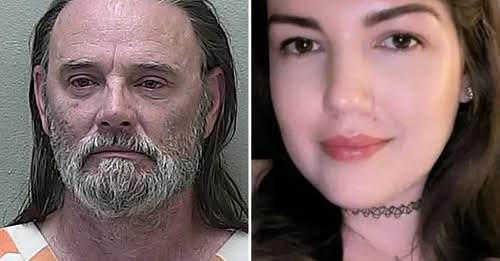
UK Woman Sonia Exelby’s Death in Florida: A Shocking Tale of Vulnerability, Violence & Justice
Marion County, Florida — Investigators have uncovered chilling details in the death of Sonia Exelby, a woman from the United Kingdom whose body was discovered buried in a shallow grave in Marion County — nearly a week after she arrived in the U.S. [Update: According to authorities, 53-year-old Dwain Hall has been arrested and charged with kidnapping and first-degree murder in connection with her death.]
What makes this case particularly disturbing is the trail of evidence that suggests Sonia traveled from Portsmouth, England, to Florida with an apparent intention to be tortured, abused, and ultimately killed — a plan she allegedly made explicit in her writings and online communications.
The Sequence of Events
-
On October 10, Sonia arrived at Gainesville Regional Airport in Florida. She boarded a flight from the UK and was expected to return shortly.
-
She failed to board her return flight on October 13, prompting UK authorities to report her missing, who in turn alerted the Florida Department of Law Enforcement (FDLE).
-
Investigators say she had posted online, on a fetish website and via personal writings, that she was “suicidal” and was traveling to the U.S. looking for someone to abuse and possibly kill her.
-
Law enforcement identified Dwain Hall, a Florida man, as the person who met her at the airport, took her to a rental property (Airbnb) in Reddick, Florida, and is now accused of orchestrating the murder. Records show purchases made by Hall — a shovel, rope, tarp — and surveillance footage and deleted videos that depict a distressed Sonia being led to “consent” to harm, though visibly reluctant.
-
On October 17, Sonia’s body was discovered buried in a shallow grave in woods in Marion County. A medical examiner determined she died from stab wounds inflicted by a knife. Investigators found a shovel with her DNA in Hall’s garage and other forensic ties that linked him to the crime.
-
On November 17, Hall was arrested and charged with first-degree murder, kidnapping, and other offenses; he is being held without bond.
Legal & Ethical Dimensions
This case raises complex questions about consent, vulnerability, mental health, and criminal responsibility:
-
Although Sonia allegedly sought out a violent death, investigators say the evidence shows she was coerced and manipulated — messages, video footage, and medical findings suggest she feared for her life and was unable to fully consent.
-
Hall’s role as a “mentor” in online communications with Sonia, the purchases of tools for burial, the hiding of video evidence, and the credit-card fraud — all indicate that this was not simply a consensual act between adults. Investigators and prosecutors treat the crime as murder, not assisted suicide.
-
The international nature of the crime (a British citizen traveling to the U.S.) means coordination between UK authorities (via Interpol) and U.S. agencies. It also highlights dangers for individuals with serious mental health issues when they travel abroad and enter into unsafe arrangements.
Human Cost & Response
For friends and family of Sonia in Portsmouth, England, the emotional devastation is immense. A long-time partner posted on social media that she was “vulnerable” and battling mental-health struggles before she disappeared.
In the U.S., local residents around Marion County expressed shock. The narrative of someone travelling halfway across the world looking for death — then ending up murdered — has deeply disturbed neighbors, mental-health advocates and legal observers alike.
What Happens Next
-
Dwain Hall awaits trial on first-degree murder and kidnapping charges. The state’s case will likely rely on the video evidence, forensic trail (DNA on weapons, shovel, tarp), digital messages and Hall’s own admissions.
-
The FDLE and Marion County authorities continue to collect evidence and will present the case to the state attorney’s office.
-
On the UK side, mental-health awareness organizations and diplomatic entities are scrutinizing how a vulnerable British citizen was able to travel and enter such a dangerous scenario.
-
Broader advocacy groups say the case emphasizes the need for stronger safeguards for vulnerable adults, better cross-border cooperation in missing-person cases and sharper tools for investigating fetish-based online recruitment of victims.
Final Thoughts
The story of Sonia Exelby is more than a murder investigation. It is a tragic intersection of mental-health crisis, online predation, international travel, and violent crime. Her death cannot be dismissed as “just another missing-tourist case.” It challenges our understanding of consent and victimization in extreme contexts.
For Sonia’s family and friends: the path ahead is unimaginable — grieving without many answers, holding onto fragments of a life filled with promise and pain.
For the community in Florida and abroad: this is a case that must serve as a catalyst for change, for awareness and protection of people in vulnerable states of mind.
Sonia Exelby, 32 — you travelled across the world.
You were in pain.
And your story demands justice.
Your life mattered.
Your death must not be forgotten.
Leave a Reply